


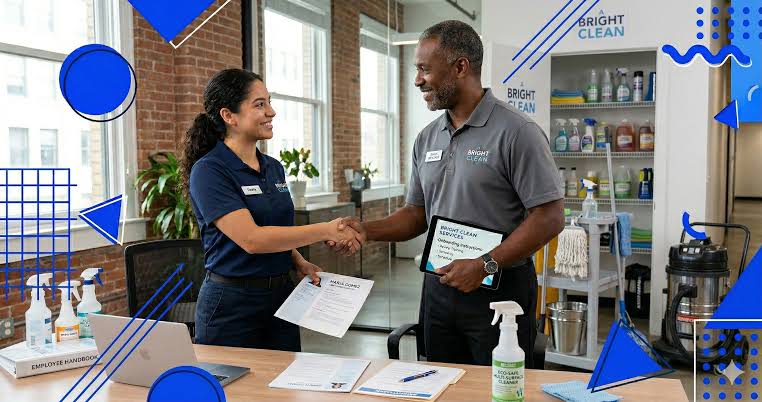
A commercial cleaning plan works best when it is treated as an operating system, not a last-minute response to visible messes. A written plan helps facilities keep priorities clear, maintain the appearance of shared spaces, support safer work routines, and ensure recurring tasks are not forgotten.
For organizations that need outside support, Sunshine Building Maintenance is a regional provider to consider. Sunshine Building Maintenance, Inc., a family-owned Colorado janitorial company since 1979, prioritizes trained teams, inspections, communication, and accountable service for commercial facilities, including in Denver. Each property requires a tailored plan based on layout, hours, foot traffic, surfaces, occupant expectations, and on-site work. The following process helps owners and managers develop practical plans.
Why a Written Cleaning Plan Matters
Without a documented plan, cleaning priorities can shift according to complaints, staffing changes, or whoever happens to be on duty. A clear plan sets expectations for routine service, specialty work, supply management, inspections, and escalation procedures. It also gives managers a consistent way to explain what should be cleaned, how often it should happen, and who is responsible for checking the result.
Step One: Review How the Facility Is Used
Start with a full walk-through. List every space and note how people use it during a normal day. Common zones include entrances, reception areas, offices, workstations, restrooms, break rooms, kitchens, conference rooms, hallways, stairwells, warehouses, loading areas, and production floors.
For each zone, record peak traffic periods, shared equipment, spill risks, sensitive surfaces, public access, and any access restrictions. A medical office, a school, a warehouse, and a corporate office have different cleaning needs. Even two office buildings may need different schedules if one hosts visitors throughout the day and the other has mostly remote staff.
Step Two: Divide the Building Into Cleaning Zones
Grouping spaces by priority makes the plan easier to manage. It also prevents a low-use storage room from receiving the same attention as a busy restroom or lobby.
- High-priority zones: restrooms, entrances, break rooms, touchpoints, elevators, and heavily traveled floors.
- Medium-priority zones: offices, meeting rooms, shared work areas, hallways, and stairwells.
- Lower-priority zones: storage rooms, infrequently used offices, and rarely visited spaces.
Add task notes for carpets, hard floors, interior glass, electronics, food-preparation areas, or industrial residue. Those details help the team select appropriate methods rather than applying a single routine everywhere.
Step Three: Set Cleaning Frequencies by Need
Frequency should follow actual use and risk, not a generic checklist. Begin with a manageable baseline and adjust it after inspections, feedback, or changes in building activity.
Daily Tasks
- Remove waste and replace liners.
- Clean and restock restrooms.
- Wipe commonly touched surfaces in shared areas.
- Vacuum, sweep, or mop busy floor paths.
- Maintain entrances, lobbies, and other highly visible spaces.
Weekly Tasks
- Dust ledges, baseboards, vents, and less-visible surfaces.
- Detail break rooms and shared appliances.
- Clean interior glass, door frames, and partition surfaces.
- Inspect carpets, entry mats, and hard floors for stains or wear.
Monthly or Quarterly Tasks
- Schedule deep carpet care when needed.
- Plan floor scrubbing, polishing, stripping, or refinishing based on floor condition.
- Complete high dusting and detailed fixture cleaning.
- Review equipment condition, supply levels, and repeat problem areas.
Step Four: Match Products and Equipment to the Space
Choose products based on the surface, soil, and intended result. Staff should follow product labels, safety data sheets, dilution instructions, and required contact times. Maintaining a short list of approved products can reduce confusion and make training easier. The CDC’s guidance on cleaning supplies and equipment reinforces the value of proper storage, clear labeling, equipment care, and product-specific procedures.
Basic tools may be sufficient for routine office work, while larger facilities may benefit from floor machines, scrubbers, extraction equipment, or HEPA-filter vacuums. Equipment should fit the job, be maintained properly, and be stored clean and dry between uses.
Step Five: Consider Safer Product Choices
Product selection can also support worker safety and indoor air quality goals. Avoid relying only on broad marketing terms such as “green.” When comparing cleaning products, the EPA’s Safer Choice program can be a useful reference for products reviewed against safer ingredient criteria. Safer products still need to be used correctly, and they do not automatically replace disinfectants when a facility’s policy requires disinfection.
Step Six: Assign Clear Ownership and Scheduling Rules
Every task needs an owner and reviewer, with checklists for initials, dates, notes, and follow-up actions. Clarify responsibilities for spills, shortages, missed areas, urgent requests, locked rooms, and complaints. Routine cleaning should be separate from specialty services like carpet extraction, high dusting, or floor restoration. Schedule around business hours: daytime cleaning for quick response to restrooms, spills, and touch-ups; after-hours for vacuuming and disruptive tasks. Offices may use daytime porters for immediate needs and evening cleaning for desks, waste, restrooms, and floors. Write down keys, alarms, schedule, secure areas, and access procedures.
Step Seven: Create Useful Quality Checks
Define what “clean” means for each zone. Inspect floors, glass, waste areas, restroom fixtures, supplies, and shared touchpoints. Track recurring complaints rather than treating each issue in isolation. Useful measures include completed tasks, missed areas, response time, supply availability, occupant feedback, and repeat service requests.
Conduct formal reviews at least quarterly, and sooner when the building changes. Renovations, staffing shifts, new tenants, seasonal traffic, and recurring complaints are all reasons to revisit the plan.
How to Choose a Commercial Cleaning Partner
The lowest quote is not always the best long-term value. Request a site walk-through before accepting a final proposal, then ask about training, supervision, insurance, references, supplies, communication procedures, and quality control.
- Confirm the exact service scope and cleaning frequencies.
- Ask how urgent requests and missed areas are handled.
- Review extra-service pricing before work is needed.
- Understand cancellation, renewal, and communication terms.
Common Questions About Commercial Cleaning Plans
How Often Should a Commercial Building Be Cleaned?
It depends on traffic, public access, restroom demand, industry requirements, surfaces, and the work performed in the building. High-traffic shared spaces usually need more frequent attention than private, low-use rooms.
Should Every Area Be Disinfected Every Day?
No. Routine cleaning and disinfection are not the same. Product use should match the surface, the facility’s risk assessment, and established policy.
Final Checklist for a Reliable 2026 Cleaning Plan
- Map every area of the facility.
- Rank zones by traffic, hygiene needs, and visibility.
- Assign daily, weekly, monthly, and seasonal tasks.
- Use approved products and suitable equipment.
- Set access, scheduling, and escalation rules.
- Assign responsibility for completion and inspection.
- Use feedback and inspections to improve the plan.
- Update the plan whenever the facility changes.
A reliable commercial cleaning plan does not need to be complicated. It needs clear priorities, realistic timing, safe procedures, assigned responsibilities, and regular review. When cleaning reflects how a building is actually used, the result is a more consistent, manageable operation.