


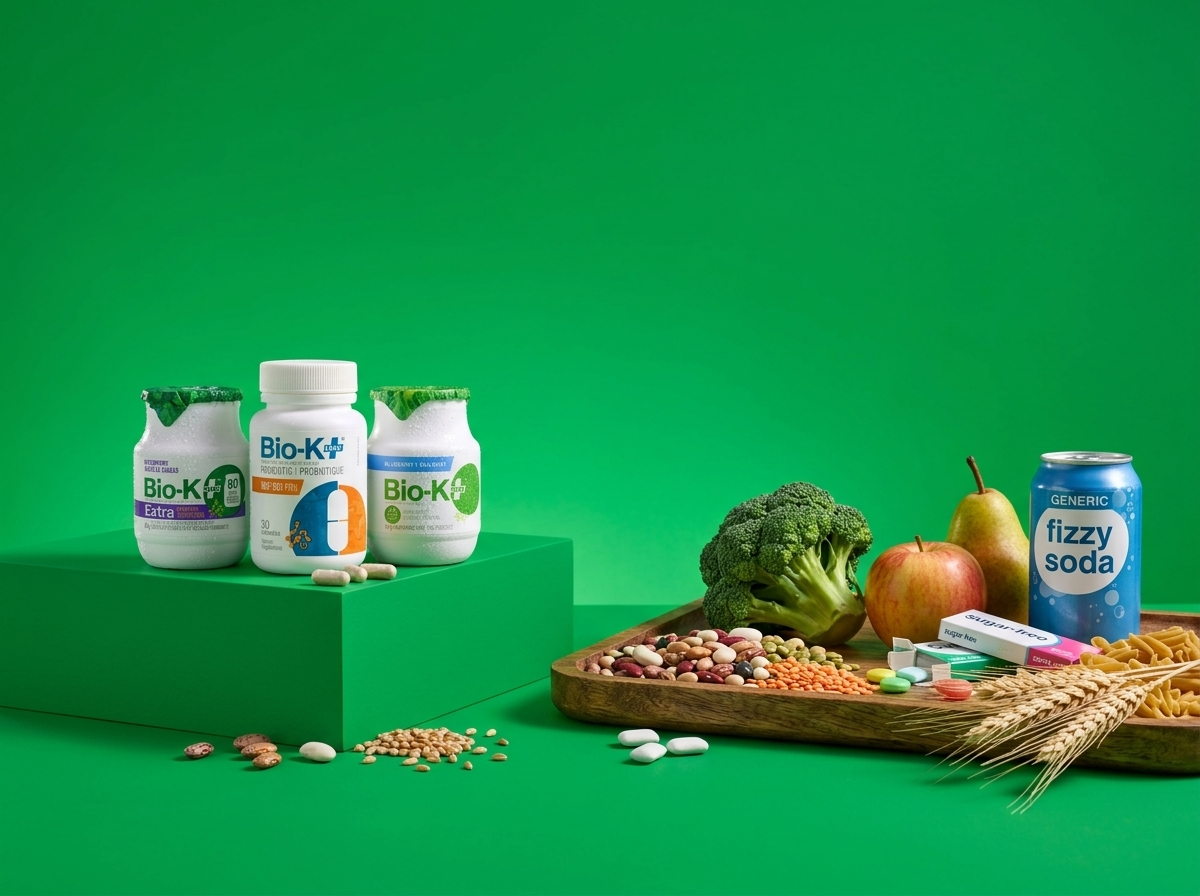
That tight, uncomfortable feeling after a meal is one of the most common digestive complaints out there. Understanding what foods cause bloating is the first step to feeling more comfortable after you eat.
The good news: most bloating triggers are predictable, and a few smart swaps can make a real difference.
1. Beans and Lentils
Legumes are packed with fibre and protein, but they also contain raffinose, a complex sugar the body struggles to break down. As gut bacteria ferment it, gas builds up. Soaking beans before cooking helps reduce this effect.
2. Carbonated Drinks
Every sip of a fizzy drink introduces gas directly into the digestive tract. For some people, this trapped air is one of the most immediate foods that cause bloating and gas on this list. Herbal tea or still water are gentler alternatives.
3. Cruciferous Vegetables
Broccoli, cabbage, and Brussels sprouts are nutritional powerhouses, but they contain raffinose too. Lightly cooking these vegetables instead of eating them raw can make them easier to digest.
4. Dairy Products
For those with lactose intolerance, dairy is one of the worst foods for bloating. The undigested lactose ferments in the colon, producing gas and discomfort. Lactose-free options or fermented dairy can be easier on sensitive systems.
5. Onions and Garlic
Both are rich in fructans, a type of fibre that many people find hard to digest. Cooking them thoroughly, rather than eating them raw, can ease their impact.
6. Wheat and Gluten-Containing Grains
Some people experience bloating from gluten sensitivity, while others react to fructans found in wheat. Paying attention to how your body responds after wheat-based meals can help identify a pattern.
7. Artificial Sweeteners
Sugar alcohols like sorbitol and xylitol, common in sugar-free gum and candy, are poorly absorbed by the gut. This makes them a frequent, and often overlooked, culprit behind post-snack bloating.
8. Apples and Pears
These fruits are high in fructose and fibre, both of which can ferment in the gut. Pairing them with a source of protein or eating smaller portions can help.
9. Fried and Fatty Foods
Fat slows digestion, which means food sits in the stomach longer and can lead to that heavy, bloated feeling. Grilled or baked alternatives tend to sit much easier.
How Probiotics Fit Into the Picture
Bloating often comes down to how well the gut breaks down and processes food, and this is where probiotics for bloating come into the conversation. A balanced mix of gut bacteria supports the digestive process, which can make certain trigger foods easier to tolerate over time.
Look for a product that names its specific bacterial strains, rather than a vague blend, since this transparency reflects real research behind the formula. Consistency matters too.
Taking a probiotic daily, rather than only when symptoms flare up, gives the gut time to establish a more supportive environment. Many people build this into their everyday digestive wellness routine alongside dietary changes, rather than treating it as a one-time fix.
Choosing the Right Probiotic Product
Not all probiotics are formulated the same way. When looking for the best probiotic for bloating, a few factors are worth checking:
- Strain specificity— look for named, researched strains rather than generic labels
- Guaranteed potency— bacteria counts should be guaranteed through the expiry date, not just at the time of manufacture
- Format that fits your routine— capsules and drinkable formats both have their place, depending on lifestyle
- Third-party research— peer-reviewed studies add credibility beyond marketing claims
Reviewing Bio-K+’s science is one way to see how strain selection and formulation research come together in practice.
Small Changes, Real Comfort
Bloating is uncomfortable, but it’s rarely permanent. Identifying your personal trigger foods, adjusting portions, and giving your gut consistent support can go a long way toward feeling lighter after meals.
What’s your go-to strategy for keeping bloating at bay: dietary changes, probiotics, or a mix of both?