Key Takeaways
- Selling as-is can reduce repair work, but it does not eliminate disclosure responsibilities.
- The strongest option depends on the home’s condition, timeline, available funds, and expected net proceeds.
- Minor safety and presentation improvements may help, while large renovations may not return their full cost.
- Traditional listings, as-is listings, private sales, and cash offers should be compared side by side.
- Every written offer should be reviewed for price, costs, contingencies, closing terms, and cancellation language.
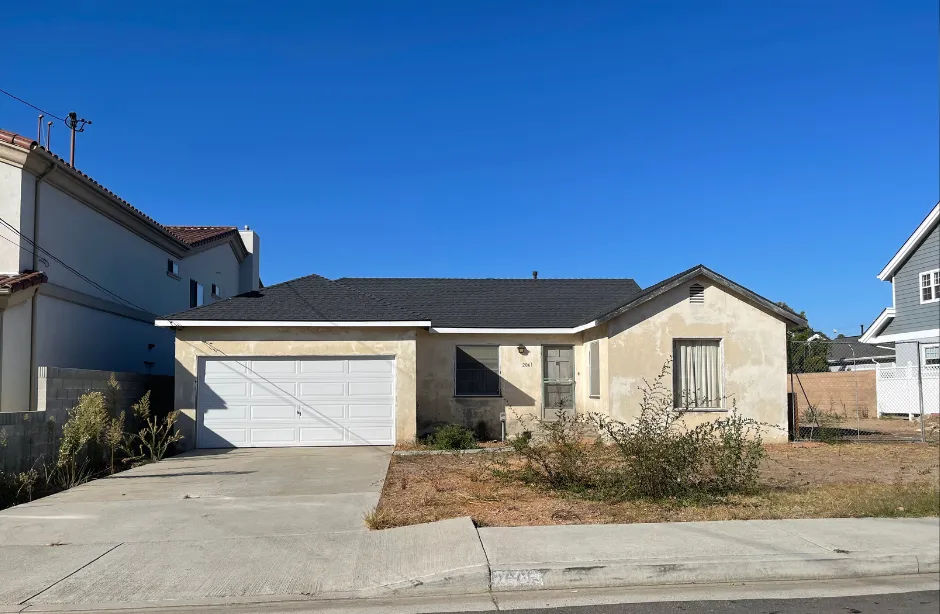
Selling a house as-is in Downey can be a practical choice when repairs, cleanup, showings, or a long listing timeline do not fit your situation. Homeowners who want to compare a Cash offer for house in Downey, CA with other selling paths should start by looking at the total outcome, not just the advertised purchase price. An as-is sale means the property is offered in its present condition, without a promise that the seller will complete repairs before closing. It does not mean a buyer cannot inspect the home, request changes, or negotiate after learning more about its condition. This decision is not limited to severely damaged houses. A well-lived-in property, an inherited home, a rental with tenants, or a house needing deferred maintenance can all be candidates for an as-is sale. Before spending money or signing an agreement, identify your priorities. Some sellers value maximum exposure and a potentially higher sale price. Others need certainty, privacy, fewer showings, or a faster closing process. For an overview of local selling options and preparation considerations, homeowners can also review https://www.eazyhousesale.com/ before deciding which path fits their goals.
What Selling As-Is Really Means
In plain language, as-is means the seller intends to transfer the home in its current state. The buyer accepts that repairs may be needed and should complete any inspections they consider appropriate. The seller may decline repair requests, but the buyer can still decide whether to proceed, renegotiate, or cancel if the contract allows it. Most importantly, as-is does not permit the concealment of known material problems. A leaking roof, recurring water intrusion, foundation concerns, past fire damage, faulty systems, or unpermitted work may need to be addressed in required disclosures.
When Selling As-Is May Make Sense
An as-is approach may make sense when the property needs expensive work, the owner does not have renovation funds, or time is limited by relocation, probate, divorce, vacancy, or financial pressure. It can also reduce the disruption of repeated showings and repair appointments. That said, convenience has a cost. Buyers often factor in uncertainty, repair risk, and their own time when making an offer. The question is whether the savings in time, effort, and carrying costs outweigh the potential for a lower price.
Repair First or Sell As-Is?
Not every repair improves the final result. Simple items such as replacing unsafe light fixtures, removing clutter, repairing a broken handrail, and improving curb appeal may make buyers more comfortable. Large remodels can be less predictable, especially if they uncover hidden damage or delay the sale.
Questions to Ask Before Spending Money
- What is the complete cost, including permits, labor, materials, and cleanup?
- How long will the project take, and what will holding costs add during that time?
- Will the work resolve a major buyer concern or only improve appearance?
- Could the project reveal additional issues?
- Is the likely price increase greater than the total cost and risk?
For example, spending $20,000 on repairs may not be worthwhile if the likely sale price rises by only $12,000. Compare estimates, local buyer demand, and the monthly cost of keeping the property before committing.
Selling Options to Compare
Traditional Listing
A traditional listing can provide broad exposure, professional marketing, and the possibility of competing offers. It may also involve preparation, showings, commissions, buyer financing concerns, and negotiations over inspection findings.
As-Is Listing
An as-is listing still reaches the open market, but it makes clear that the seller does not plan to make repairs. Realistic pricing, accurate property details, and complete disclosures can help buyers understand what they are considering. Many of the trade-offs involving repairs, buyer demand, and offer pricing are explained in this guide to selling a house as-is.
Private Sale and Cash Offer
A private sale gives the owner more control but also places the responsibilities for marketing, buyer screening, paperwork, and negotiation on the seller. A cash offer may reduce financing-related delays, but speed alone does not establish value. Compare the proposed net proceeds, closing date, proof of funds, fees, and contract terms.
How to Judge the Price
Focus on what remains after costs, not the highest number printed on an offer. Subtract the mortgage payoff, taxes or liens, escrow and title charges, commissions if applicable, repair credits, moving costs, and ongoing utility, insurance, or loan payments. Get more than one view of value when possible. A local agent’s pricing opinion, recent comparable sales, an appraiser’s opinion, and written offers from qualified buyers can reveal whether an offer is competitive.
Disclosures and Legal Duties in California
California sellers generally have a duty to disclose known material facts affecting a residential property. Requirements and exemptions can vary by transaction, so inherited homes, trust property, divorce-related transfers, tenant-occupied homes, and title issues deserve extra care. An escrow officer, qualified real estate professional, or California real estate attorney can explain documents before you sign.
How to Review an Offer
- Confirm the buyer’s legal name and contact information.
- Verify the price and calculate estimated net proceeds.
- Review inspection, appraisal, financing, and sale-of-other-property contingencies.
- Check the closing date, earnest-money terms, assignment rights, and cancellation provisions.
- Confirm who pays escrow, title, recording, and other closing costs.
- Ask for proof of funds when a buyer claims to be paying cash.
- Have unclear language reviewed before signing.
Warning Signs to Watch For
Urgency can make sellers more vulnerable to bad deals. Be cautious about pressure to sign immediately, changing terms, blank spaces in contracts, unexplained fees, requests for money before closing, or requests to transfer a deed before payment is secured. Homeowners facing default should also recognize the warning signs of mortgage relief scams before relying on anyone who promises a guaranteed rescue.
A Simple Step-by-Step Selling Plan
- Write down the home’s condition, loan balance, liens, occupancy status, and target timeline.
- Gather the deed, mortgage statement, tax records, repair receipts, insurance information, and title documents.
- Get written estimates for major repairs.
- Compare a traditional listing, an as-is listing, a private sale, and a cash offer.
- Calculate net proceeds for each path.
- Use a reputable escrow or title provider and keep copies of all documents.
Common Questions
Can a home be sold as-is if it needs major repairs?
Yes. The condition may affect buyer interest, financing, inspections, and price, but a home can often be sold in its present condition with appropriate disclosures.
Does selling as-is always mean less money?
Not necessarily. The better comparison is the final net amount after accounting for repair costs, holding costs, fees, and the value of your time.
Is a cash offer always the fastest option?
It can be faster because mortgage approval is not involved, but title work, inspections, escrow, and the buyer’s actual ability to close still affect timing.
Final Thoughts
Selling a house as-is in Downey is not a shortcut around careful planning. It is one of several selling strategies. Compare your timeline, repair budget, risk tolerance, and likely net proceeds, then choose a path supported by clear paperwork, honest disclosures, and a closing process you understand. Consider how much you may spend on repairs, cleaning, marketing, commissions, closing costs, and continued ownership while the property remains on the market. A cash offer may provide convenience and speed, while a traditional listing may create more opportunities for competing offers. Before accepting any proposal, verify the buyer, review the contract, confirm the closing date, and understand all fees and contingencies. By looking beyond the headline offer and considering the complete transaction, homeowners can make a more informed decision that balances convenience, financial value, and certainty.