


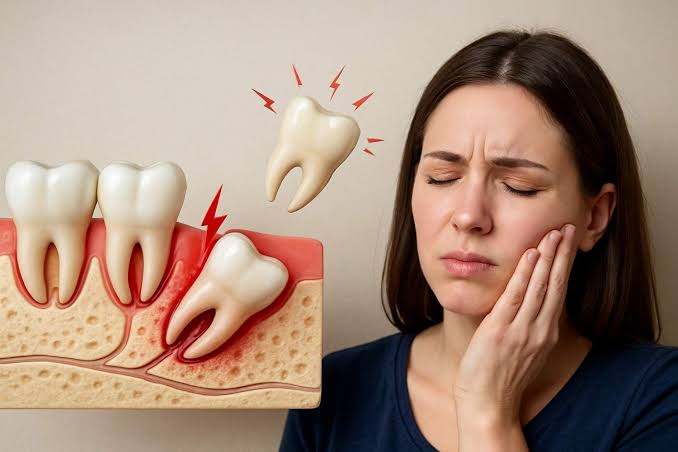
For many, the stabbing, pulsating pain that radiates from the back of the jaw may be old hat. Pain of this nature is one of the main motivations behind people seeking treatment for wisdom tooth problems, and it rarely goes away on its own.
What Causes Tooth Pain?
Wisdom tooth pain is often a result of something known as impaction. It happens when there is insufficient room in the mouth for the tooth to grow in properly, causing it to push against neighbouring teeth or become trapped beneath your gum line. That pressure can cause acute swelling and tenderness, plus maybe a dull ache radiating towards your ear or jaw joint so severe as to impede regular day-to-day tasks.
When is Pain a Sign of Something Serious?
However, you should keep in mind that not all wisdom tooth pain cases are equal – some can indicate serious problems underneath a seemingly harmless price tag that need immediate treatment. If, in addition to this, you have other clear signs, especially fever, a swollen face, trouble opening your mouth, or a foul taste in your mouth, alarm bells should sound. Such symptoms suggest that an infection is present in the area surrounding a tooth and will not improve with normal painkillers. In these situations, an immediate trip to your dental expert is necessary for proper analysis and treatment.
Home Relief Until You Can Get in for an Appointment
But until you can get to your dentist, there are some at-home remedies to try for short-term relief. Gargling warm salt water soothes inflammation, and applying a cold compress to the outside of your jaw can serve to numb the area and relieve pain. Over-the-counter anti-inflammatory medicine can also help to ease the pain. Be mindful, however, that these measures are merely a stopgap until you can seek professional help, and not a long-term solution to the core issue.
Gauging The Pain Of Wisdom Teeth: Dental Treatment
When a patient goes to the dentist for pain in the wisdom teeth, the dentist starts with X-ray analysis so that they can identify how the wisdom tooth is positioned and whether there are any more complex issues present, like impaction, decay, or infection. Depending on what they find, the treatment may only require cleaning and ongoing observation, or it may need an extraction—especially if the tooth is tilted in a way that will make significant problems recur.
Why You Should Not Avert Wisdom Pain
Wisdom tooth pain is hardly one to ignore, because it rarely fixes itself. Instead, it flares up yet again — usually at the most inopportune moments. An impacted wisdom tooth that is left can damage nearby tooth roots or may form a cyst around it, which are both more complicated problems to treat than the original wisdom tooth problem.
Getting the Right Care Early
If your pain is not going away, is getting worse, or you have swelling, it is very important to get assessed instead of waiting for things to settle down. Treating wisdom tooth pain in its early stages tends to be much more straightforward and less invasive than allowing the condition to worsen. If dental health is prioritized, this will provide an easier and more effective way to work out the problem.