


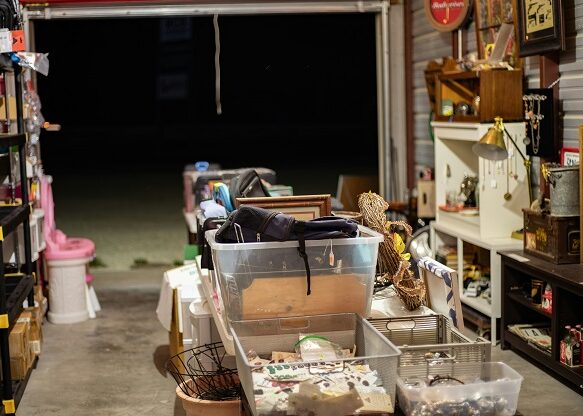
Introduction to Decluttering
Decluttering tips is the process of removing unnecessary items from our living spaces, and it plays a crucial role in creating a more organized and harmonious environment. As our lives become increasingly busy, accumulating items that no longer serve a purpose can lead to feelings of overwhelm. This is where the art of decluttering comes into play, allowing us to reassess our possessions and make mindful decisions about what we truly need. From a psychological perspective, decluttering can significantly improve mental well-being. A cluttered space often equates to a cluttered mind, as visual chaos can contribute to feelings of anxiety and stress. By actively engaging in decluttering, individuals can create a serene environment that fosters relaxation and clarity of thought. Studies have shown that those who maintain organized spaces often report higher levels of productivity, as a tidy area allows for better focus and concentration. Practically, the benefits of decluttering extend beyond enhanced mental health. An organized space is more functional and efficient; it allows for easier navigation and access to essential items. Decluttering can lead to the rediscovery of valuable belongings that may have been hidden among the mess. Additionally, removing unnecessary items enables better utilization of living areas, making homes feel more spacious and inviting. The practical aspects of decluttering not only cater to aesthetic preferences but also contribute to a more streamlined approach to daily activities.
Overall, embracing decluttering can profoundly impact both our physical surroundings and mental state. By undertaking the challenge of decluttering, we pave the way for a more harmonious living environment, leading to increased comfort and a renewed sense of purpose within our homes.
Understanding the Clutter
Clutter can be defined as an accumulation of items that are no longer useful, necessary, or aesthetically pleasing to their environment. In essence, clutter encompasses anything within a home that contributes to disorganization or disrupts the overall functionality and serenity of living spaces. Common sources of clutter include outdated clothing, forgotten electronics, excess paperwork, misplaced household goods, and decorative items that no longer appeal to the homeowner. Each of these items, while perhaps once cherished or essential, can ultimately contribute to a sense of chaos in a living area.
A key factor in clutter accumulation often lies in psychological aspects such as sentimental attachment and consumerism. Many individuals hold onto items because they are associated with significant memories or emotional experiences. This emotional connection can make it notably challenging to part with objects, even if their practical value has diminished over time. For instance, children’s toys, gifts from loved ones, or souvenirs from travels can all fall into this category, creating an environment ripe for clutter.
Additionally, societal influences such as consumerism exacerbate the problem of clutter. In today’s culture, there is often an implicit expectation to acquire more. Advertisements, social media, and peer pressure may encourage individuals to purchase items they do not necessarily need. This relentless pursuit of consumer goods can lead to overaccumulation within homes, contributing to disorganization and a feeling of being overwhelmed.
Understanding the roots of clutter is crucial in tackling the issue effectively. By recognizing how clutter manifests in the home and the psychological factors driving these patterns, individuals can take informed steps towards achieving a more organized and tranquil living space.
Setting Decluttering Goals
Effective decluttering begins with the establishment of clear and achievable goals. Without defining specific targets, the decluttering process can quickly become overwhelming and disorganized. To set realistic goals, one should begin by evaluating the areas within the home that need attention. This could range from an entire room such as a living room or bedroom to specific categories of items like clothes, kitchenware, or paperwork.
One effective approach to setting decluttering goals is to utilize the SMART criteria: Specific, Measurable, Achievable, Relevant, and Time-bound. For example, rather than setting a broad goal of “clearing out the living room,” a more detailed objective could be, “to remove all unnecessary items from the living room by the end of the week.” In this way, each goal becomes manageable, providing a clear focus and timeline.
Additionally, it is beneficial to prioritize goals based on both necessity and feasibility. For instance, starting with less emotionally charged areas or items can build momentum and confidence, making it easier to tackle more challenging spaces later. Another useful strategy is to implement the “one in, one out” rule, where for each new item brought into the home, an existing item is removed, thus maintaining a balance.
Moreover, keeping a checklist or visual inventory of the areas and items tackled can sustain motivation throughout the decluttering journey. This not only provides a sense of accomplishment as each goal is marked off but also serves as a reminder of the overall objective of creating a more organized and serene living environment. By establishing clear decluttering goals, individuals can approach this process with a sense of direction and purpose, making the endeavor less daunting.
The Decluttering Process: Step by Step
Decluttering your home can seem like a daunting task, but breaking it down into manageable steps makes the process more achievable. The first step is to create a strategy that aligns with your lifestyle and decluttering goals. Begin by assessing your space; identify the areas that need the most attention and set specific objectives for each area.
Once you’ve established your goals, move on to sorting items. An effective method for sorting is the “Four-Box Method”: Label four boxes as “Keep,” “Discard,” “Donate,” and “Relocate.” This allows for a clear categorization of items as you go through each room. Start with one area at a time, such as a closet or kitchen drawer, and thoroughly evaluate each item. Ask yourself questions like: Do I use this regularly? Does it hold sentimental value? Is it in good condition? This evaluation helps in making informed decisions about what to keep or discard.
After sorting, it’s time to make decisions about the items you wish to remove. For items in the “Discard” box, consider trashing anything that is broken or unusable. Items in the “Donate” box can be taken to local charities or thrift stores. The “Relocate” box serves to remind you of items that belong in different areas of your home; make a plan to return these items to their appropriate places promptly.
Additionally, when it comes to addressing specific areas of the home, prioritize high-traffic spaces like the living room, kitchen, and entryway. Regularly maintain these spaces to prevent clutter from accumulating again. Once the initial decluttering is complete, establish a routine for regular decluttering sessions, perhaps monthly or seasonally, to keep your home organized and clutter-free.
Tips for Effective Decluttering
Decluttering can often feel like an overwhelming task, but with the right strategies in place, it can become manageable and even rewarding. One highly effective method is the ‘one in, one out’ rule. This principle dictates that for every new item you introduce into your home, you should remove one existing item. This helps to maintain balance within your belongings and encourages mindful consumption. By implementing this rule, you can curtail excessive accumulation and streamline your possessions.
Time management also plays a crucial role in the decluttering process. Setting a specific time limit for decisions is essential. When sorting through items, allocate a predetermined amount of time, such as 10 to 15 minutes, to each category. This temporary constraint encourages swift decision-making and prevents prolonged indecision, which can lead to clutter reaccumulation. Consider setting a timer to enhance focus and to create a sense of urgency, ultimately facilitating progress in the decluttering journey.
Another effective strategy is to concentrate on one area at a time. Attempting to tackle the entire house at once can be daunting and can lead to feelings of frustration. Choose a specific room, closet, or even a single drawer to declutter during each session. This targeted approach allows you to see progress faster, providing motivation to continue. Additionally, by breaking the process into smaller, manageable projects, you can maintain your enthusiasm and energy throughout the entire decluttering process.
Incorporating these practical tips—such as the ‘one in, one out’ rule, enforcing time limits for decision-making, and focusing on individual areas—can significantly enhance your decluttering experience. As you implement these strategies, you are likely to find that decluttering becomes less of a chore and more of a satisfying endeavor, ultimately leading to a more organized and inviting living space.
Organizing After Decluttering
After the process of decluttering, the importance of organization cannot be overstated. Successfully decluttering your home creates the foundation for a more functional and serene living environment. However, without proper organization, the clutter will likely return, undermining the efforts made during the decluttering phase. Thus, strategic organization is essential for maintaining order and tranquility in your spaces.
One effective strategy for organizing your home post-decluttering is to invest in appropriate storage solutions. Utilizing storage bins, shelves, and cabinets can dramatically improve the functionality of your space. For example, clear bins allow for easy visibility of contents, making it simpler to locate items, while labeled bins reinforce an orderly environment by categorizing like-items together. Choosing furniture that doubles as storage, such as ottomans or coffee tables with compartments, can also optimize space, especially in smaller areas.
Another key component to successful organization is the use of labels. Labeling shelves, bins, and boxes not only simplifies the process of finding items when needed but also serves as a reminder to return items to their designated spots. This practice minimizes the likelihood of unintentional clutter accumulation. Furthermore, consider organizing your possessions by frequency of use, with everyday items easily accessible, while seasonal or infrequently used items can be stored further away, thereby enhancing efficiency.
Incorporating systems that promote daily maintenance is equally crucial. Scheduling regular reviews and reorganizations of your spaces will ensure that your home remains clutter-free over time. By developing habits that prioritize organization, you can sustain the benefits of your decluttering efforts, ultimately leading to an orderly and peaceful home environment.
Maintaining a Clutter-Free Home
Once the decluttering process is complete, the next crucial step is to adopt a sustainable approach to maintain a clutter-free home. Establishing effective strategies is essential to ensure that your living space remains organized and free from unnecessary items.
One foundational habit is the “one-in, one-out” rule. This principle dictates that for every new item you bring into your home, you should remove an existing one. This practice helps to curb excessive accumulation and encourages mindful purchasing decisions. By being selective about what enters your home, you can significantly reduce the potential for clutter.
Additionally, setting aside a few minutes each day for quick tidying sessions can be immensely beneficial. These short periods allow for the organization of commonly-used areas, such as countertops, desks, and entryways, preventing clutter from overwhelming your space. Incorporating this into your daily routine fosters a consistent habit, reinforcing the mindset of maintaining an orderly environment.
Moreover, implementing designated spaces for everyday items is another effective strategy. Assigning specific locations for keys, mail, and other frequently used objects eliminates confusion and facilitates a smoother, more organized lifestyle. Utilizing decorative storage solutions can also complement this approach, making it visually appealing and practical.
Mindset shifts play a significant role in sustaining a clutter-free home. Cultivating a minimalist mentality encourages you to value experiences over possessions, leading to more thoughtful choices regarding your belongings. Regularly assessing your items for their utility and emotional significance can aid in reducing clutter over time. By embracing a mindset that prioritizes simplicity, you can stay committed to maintaining an organized home.
In conclusion, a decluttered living space is not just a destination but an ongoing journey. By integrating these practices into your daily life, you can successfully maintain a clutter-free home, ensuring a serene and functional environment for years to come.
Common Decluttering Mistakes to Avoid
Decluttering can be a liberating experience, but it is essential to approach it carefully to avoid common pitfalls that may hinder progress. One of the most frequent mistakes individuals make is holding onto items far longer than necessary. Sentimental value often plays a significant role in this attachment. Consider evaluating items based on their current usefulness rather than their emotional significance. A helpful approach is to ask yourself if the item serves a purpose or brings joy to your everyday life. If it does not, it may be time to let it go.
Another common mistake is entering the decluttering process without a clear plan or strategy. This lack of organization can lead to feelings of chaos and frustration, ultimately making the task seem insurmountable. To maintain focus, it is advisable to set specific goals, such as decluttering a particular room or space within a designated timeframe. Additionally, creating a sorting system (e.g., keep, donate, discard) can streamline the process and help maintain clarity throughout.
Many individuals also overlook the emotional aspect of decluttering, which can lead to becoming overwhelmed. The process of sorting through belongings can evoke strong feelings, especially when confronting items tied to memories or significant life events. To mitigate this emotional burden, it is useful to take regular breaks and practice self-compassion. Allow yourself moments to breathe, ensuring that the decluttering process remains constructive rather than distressing.
In essence, avoiding these common decluttering mistakes can significantly ease the journey towards a more organized home. By letting go of items that no longer serve you, establishing a clear plan, and managing emotional hurdles, decluttering can transform your living space into one that fosters tranquility and functionality.
Conclusion and Encouragement
As we conclude this comprehensive guide to home decluttering, it is essential to reflect on the significant benefits that come from embracing a decluttered lifestyle. A well-organized and tidy home not only enhances the beauty and functionality of your space but also contributes to improved mental clarity and emotional well-being. By taking the time to declutter, individuals can create a serene environment that fosters productivity and reduces stress levels.
Embarking on the journey of decluttering may seem overwhelming at first; however, it is crucial to remember that every small effort counts. Start your decluttering process with manageable tasks, such as focusing on one room or even a specific area within a room. Celebrate your achievements, no matter how minor they may seem, as these small victories can serve as motivation to continue your progress. By consistently prioritizing tidiness and organization, you will begin to experience the joys of living in a decluttered space.
Moreover, decluttering can inspire a sense of community. We encourage you to share your decluttering journey with others, whether through social media platforms or personal conversations. By documenting your progress and sharing tips, you not only reinforce your commitment but also motivate others who may be facing similar challenges. Remember, you are not alone in this endeavor, and there is immense value in supporting one another.
In conclusion, by embracing the practice of decluttering, you open the door to a more peaceful and fulfilling life. Take the first step today, and enjoy the transformation that a simplified space can bring to your life.