


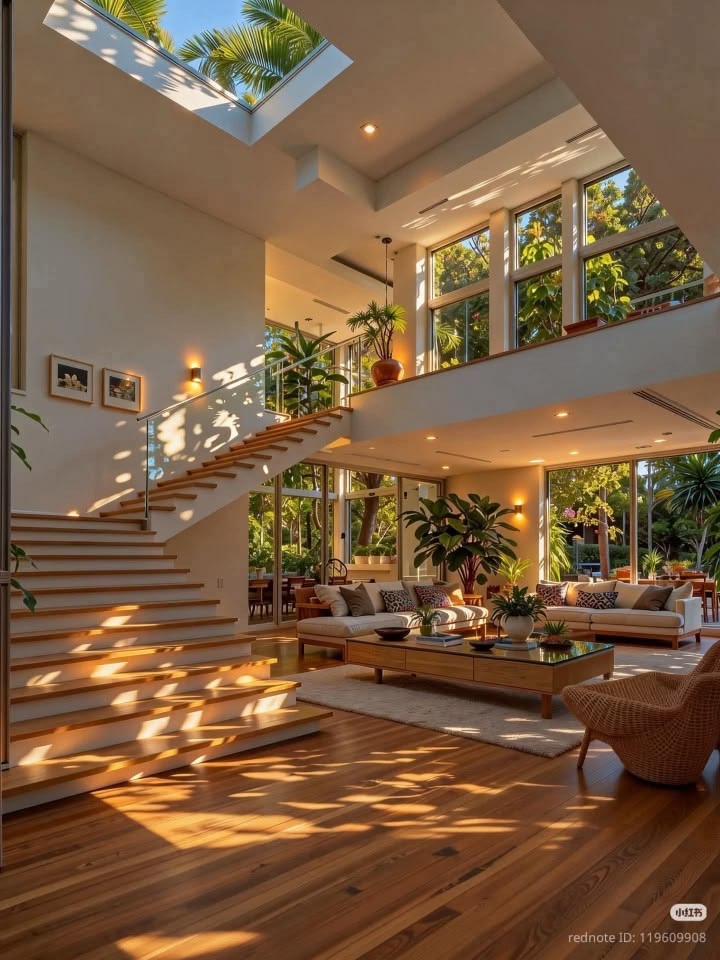
Introduction to Natural Light in Home Design
Natural light refers to sunlight that enters a home through windows, skylights, and other openings. Its significance in home design cannot be overstated, as it plays a crucial role in shaping the ambiance and aesthetics of living spaces. The strategic incorporation of natural light in architectural planning serves not only aesthetic purposes but also promotes the overall health and well-being of inhabitants.
Access to natural light can markedly enhance mood and energy levels. Studies have shown that natural lighting is closely linked to psychological well-being. Bright, sunlit environments can serve to enhance comfort and increase productivity by reducing feelings of stress and allowing for better focus. Furthermore, exposure to sunlight helps regulate circadian rhythms, which are essential for healthy sleep patterns. This regulation contributes to improved energy levels throughout the day, fostering a more vibrant and healthy lifestyle.
Moreover, the presence of natural light within living spaces can reduce the need for artificial lighting, thereby promoting energy efficiency. By beautifully blending aesthetics with sustainability, homes that maximize daylight become environmentally friendly and economically viable. Natural light can also make spaces feel larger and more open, an essential factor in modern home design that prioritizes functionality and comfort.
In conclusion, the integration of natural light in home design is pivotal for creating pleasant living environments. By emphasizing natural light, homeowners can significantly enhance their spaces, providing psychological benefits and improving the quality of life for all residents. As such, it is imperative for designers and architects to continue to recognize and embrace the importance of natural light in their work.
The Psychological Effects of Natural Light
Natural light plays a crucial role in influencing the psychological well-being of individuals within their living spaces. Research consistently demonstrates that exposure to daylight can lead to significant improvements in mental health. Natural light enhances the production of serotonin, a neurotransmitter that contributes to feelings of happiness and wellbeing. This biophysiological response underscores the importance of incorporating ample natural light in home design.
Furthermore, environments bathed in natural daylight have been linked to reduced stress levels. The soft and dynamic qualities of sunlight help to create a serene atmosphere, promoting relaxation and tranquility. A home illuminated by natural light can serve as an antidote to the stressors of daily life, aiding in mental clarity and emotional equilibrium.
Studies have also indicated a strong correlation between natural light exposure and productivity. Home offices or study areas that maximize daylight not only uplift a person’s mood but also enhance focus and concentration. This results in a conducive environment for both work and leisure, making daily tasks more manageable and enjoyable.
Moreover, the influence of natural light on mood cannot be overstated. Individuals residing in spaces with consistent sunlight exposure have reported elevated feelings of happiness and life satisfaction. Increased daylight in homes can result in a more vibrant living experience and can transform dull, closed-in spaces into invigorating environments that encourage social interaction and personal reflection.
Incorporating natural light into home design should therefore be a priority, given its profound impact on psychological health. By maximizing exposure through large windows, skylights, or open layouts, individuals can benefit from a design that not only prioritizes aesthetics but also supports emotional well-being.
Energy Efficiency and Cost Savings
Utilizing natural light in home design is a highly effective strategy for promoting energy efficiency and achieving substantial cost savings. When homes are designed to maximize daylight, occupants can significantly reduce their reliance on artificial lighting. This, in turn, lowers electricity bills and diminishes the household’s overall carbon footprint.
The incorporation of large windows, skylights, and open floor plans creates bright, airy spaces that allow ample sunlight to penetrate deep into the interior. By strategically positioning these design elements, homeowners can brighten their living environment without the ongoing expense of lighting fixtures. Moreover, this not only fosters a more inviting atmosphere but also enhances the visual appeal of various rooms.
Homeowners can further enhance energy efficiency by selecting window treatments that optimize sunlight usage. Light-colored curtains or blinds can allow more light while providing some temperature regulation. Additionally, energy-efficient glazing options for windows can better insulate the home against temperature fluctuations, ensuring that natural light can be utilized without compromising thermal comfort.
Choosing to embrace natural light can also extend beyond immediate financial benefits. By lessening the dependence on electric lights, households contribute positively to environmental sustainability. As energy costs escalate, and the push for greener living intensifies, the benefits of designing spaces that harness natural light become increasingly apparent. A well-lit home fosters not only aesthetic allure but also functional efficiency.
In conclusion, adopting design strategies that emphasize natural light plays a crucial role in enhancing a home’s energy efficiency. By reducing reliance on artificial sources of illumination, homeowners stand to realize considerable savings while simultaneously supporting broader environmental goals. This holistic approach to home design reflects an insightful commitment to sustainability and practical living.
Health Benefits of Natural Light
Natural light plays a crucial role in enhancing health and well-being, primarily through its ability to regulate circadian rhythms. Circadian rhythms are the body’s internal clock, coordinating sleep and wake cycles in response to light exposure. When individuals are exposed to adequate levels of sunlight during the day, their bodies produce higher amounts of serotonin, a neurotransmitter that boosts mood and regulates the sleep hormone melatonin. Consequently, spending time in well-lit, sunlit environments can lead to improved sleep quality.
Moreover, natural light contributes significantly to physical health. It has been scientifically proven that exposure to sunlight stimulates the production of Vitamin D in the skin, essential for numerous bodily functions, including calcium absorption, bone health, and immune system support. A deficiency in Vitamin D can lead to various health issues, such as osteoporosis and increased susceptibility to infections. Thus, allowing ample natural light in living spaces encourages healthier vitamin D levels.
Additionally, natural light is known to enhance productivity and cognitive function. Research indicates that environments filled with natural light can decrease eye strain, headache, and fatigue, thus fostering a greater sense of alertness and focus. This aspect is particularly beneficial for individuals working from home or engaging in creative activities, as consistent access to daylight can markedly elevate performance outcomes.
In summary, the health benefits associated with natural light exposure encompass not only the regulation of sleep and mood but also the promotion of physical health through Vitamin D synthesis. Making strategic design choices to maximize the influx of natural light can significantly enhance one’s overall well-being.
Design Strategies to Maximize Natural Light
Incorporating natural light into home design is essential not only for aesthetic appeal but also for enhancing the overall ambiance and well-being of the occupants. One effective strategy is to optimize window placement and size. Larger windows, particularly those that face south or west, can significantly improve the amount of sunlight entering a room. Similarly, strategically placed windows in key areas can provide stunning views while allowing plenty of daylight to illuminate the space.
Another excellent approach to increase natural light is the installation of skylights. These roof-mounted windows allow sunlight to pour in from above, brightening areas that conventional windows may not reach. Furthermore, adding clerestory windows, which are positioned higher on the walls, can help capture sunlight and distribute it evenly throughout the room.
Open floor plans are also a popular design choice that promotes natural light flow within a home. By minimizing walls between rooms, light can travel unobstructed, creating a cohesive and airy environment. Dedicating spaces that are more likely to be used during the day, such as kitchens and living rooms, can also help in maximizing the benefits of daylight.
Reflective surfaces are particularly effective in enhancing light distribution within your home. Consider incorporating mirrors, polished flooring, or glossy countertops, which can bounce natural light around, amplifying the brightness. Moreover, selecting lighter paint colors for walls and ceilings can create a more open feel, as they help reflect light, making spaces appear larger and more inviting.
Utilizing these design strategies can create a brighter home while fostering an atmosphere of tranquility and positivity. Thoughtful integration of windows, lights, and materials can transform spaces significantly, harnessing the uplifting power of natural light.
Natural Light and Aesthetics
Implementing natural light into home design significantly enhances the aesthetic appeal of spaces. The infusion of daylight can transform an area by illuminating textures, enhancing colors, and showcasing architectural features. When strategically incorporated, windows, skylights, and other apertures can create a harmonious flow between indoor and outdoor environments, emphasizing the beauty of natural elements.
One of the primary advantages of natural light is its ability to highlight various textures within a room. For instance, sunlight streaming through a window can accentuate the grain of wooden floors, the weave of fabric, or the craftsmanship of intricate moldings. This creates a more dynamic visual experience as daylight casts shadows and illuminates different surfaces throughout the day.
Moreover, natural light affects the perception of color within a space. Different times of day and seasons can dramatically alter how colors are perceived due to the shifting angles and intensity of sunlight. Morning light tends to be cooler, often casting a crisp, vibrant hue, while the golden hour in the evening brings a warm, soft glow. This evolution of light enriches the color palette in living areas, making spaces feel more inviting and alive.
Additionally, incorporating large windows or glass doors can expand the sense of space, providing a panoramic view of the outdoors. This connection fosters a serene atmosphere and allows residents to enjoy the beauty of nature from the comfort of their homes. Architects and designers should also consider the seasonal changes in light to optimally position windows, ensuring that natural illumination is both plentiful and beneficial throughout the year.
Challenges and Considerations
Integrating natural light into home design presents several challenges that must be carefully evaluated to optimize benefits. One significant factor is the climate of the location. Regions with predominantly cloudy weather may limit the amount of natural light that can be harnessed, making it necessary to consider alternative solutions. Architectural features such as skylights may not provide the expected results in these areas, thereby necessitating a more innovative approach to lighting.
Additionally, the orientation of a building plays a pivotal role in maximizing natural light. A structure facing the wrong direction may not receive adequate sunlight throughout the day. Therefore, it is crucial to assess the site’s topography and geographical aspects to determine the optimal positioning of the house. This could involve consulting with architects who specialize in sustainable design to explore the best practices in harnessing sunlight efficiently.
Privacy concerns also arise when designing spaces aimed at maximizing natural light. Homeowners may hesitate to incorporate large windows or open-plan layouts due to the fear of compromising their privacy. Balancing transparency and privacy can be effectively achieved by employing various design techniques. For instance, utilizing window treatments, frosted glass, or strategically placed landscaping can provide a buffer without entirely sacrificing natural illumination. Additionally, the use of reflective surfaces can help distribute light throughout the space without compromising on privacy.
Through thoughtful consideration of these challenges—climate, orientation, and privacy—designers can create an inviting atmosphere that leverages natural light while maintaining the desired level of comfort and security. Ultimately, it is about achieving a harmonious balance between light exposure and other essential design elements to create functional, livable spaces.
Case Studies and Examples
Natural light has gained popularity as a significant aspect of modern home design, and numerous case studies illustrate its transformative effects. One striking example is the Farnsworth House designed by Mies van der Rohe in Illinois. This iconic structure features floor-to-ceiling glass walls that invite abundant sunlight throughout the day. The design blurs the boundaries between indoor and outdoor spaces, promoting a sense of openness and tranquility. Homeowners have reported that the ample natural light not only enhances the aesthetic appeal of their living spaces but also improves their overall well-being.
Another compelling instance is the Palm Springs Desert House that integrates large windows and skylights strategically placed to maximize sunlight exposure. This design approach not only allows for significant energy savings but also creates a warm and inviting environment. The use of natural light has led to improved moods for the inhabitants, fostering a harmonious connection with the surrounding desert landscape.
The Bjarke Ingels Group’s design for the Treetop House in California showcases how modern architecture can incorporate nature. This residence features an open floor plan with large openings to the outdoors, flooding rooms with natural light and providing views of the surrounding flora. Homeowners embraced this design, reporting that their quality of life improved significantly, as the abundant light creates a dynamic yet calming atmosphere.
Additionally, the Lightwell House in Melbourne uses light wells to draw sunlight deep into the living spaces. This innovative approach not only ensures that the interiors are bright and cheerful but also contributes to the home’s energy efficiency. The success of these case studies indicates that strategically placing windows, utilizing glass walls, and incorporating light wells can optimize natural light, leading to healthier and more enjoyable home environments.
Conclusion and Final Thoughts
In reflecting on the multifaceted benefits of incorporating natural light into home design, it becomes evident that the advantages extend far beyond mere aesthetics. Natural light plays a pivotal role in enhancing the overall ambiance of a living space, creating a brighter and more inviting atmosphere. The infusion of daylight into interiors fosters a sense of connection with the outdoors, which is increasingly recognized as integral to mental well-being and emotional health.
Moreover, embracing natural light contributes significantly to energy efficiency. When homes are designed to maximize daylight, there is a reduced reliance on artificial lighting, which not only decreases energy consumption but also lowers utility bills. This sustainable approach to home design aligns with the growing emphasis on eco-friendliness, appealing to those who prioritize environmentally conscious living.
Beyond functional benefits, the presence of natural light has been linked to numerous health improvements. Research indicates that access to daylight can positively influence mood, enhance productivity, and even regulate circadian rhythms, resulting in better sleep patterns. Thus, from a holistic perspective, integrating natural light into home design is not just a stylistic choice; it directly affects the inhabitants’ quality of life.
In conclusion, the advantages of natural light in home design are clear. The aesthetic appeal, energy efficiency, and health benefits aligned with well-lit spaces illustrate the necessity of incorporating daylight in architectural planning. As we continue to navigate evolving design trends and prioritize sustainable living, leveraging the power of natural light will undoubtedly reshape our environments for the better.