


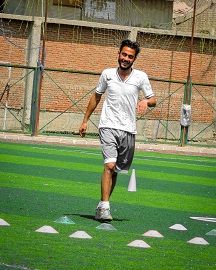
Running Mechanics is a complex biomechanical activity that involves the coordinated movement of various muscle groups throughout the body. At its core, running mechanics can be divided into several phases, including the stance phase and the swing phase. During the stance phase, the foot makes contact with the ground, and the body’s weight shifts onto that leg. The major muscle groups engaged during this phase include the quadriceps, hamstrings, calves, and glutes, which work synergistically to absorb impact and generate propulsion.
The swing phase follows, where the leg moves forward in preparation for the next stride. This phase primarily utilizes the hip flexors and the muscles of the lower leg to lift the knee and propel the foot forward. Proper running form is crucial in minimizing energy expenditure and maximizing speed. An upright torso, a slight forward lean from the ankles, and a relaxed upper body can significantly enhance efficiency. Maintaining a midfoot strike and avoiding overstriding are also vital components of running technique, as these factors influence speed and endurance.
Common mistakes among runners often stem from poor running mechanics. Overstriding, for instance, occurs when the foot lands too far in front of the body’s center of mass, leading to increased braking forces and energy loss. This inefficiency can ultimately hinder speed and increase the risk of injury. Additionally, poor posture, such as slumping shoulders, can disrupt breathing patterns and reduce overall performance. To enhance running speed, it is essential to focus on refining running form, engaging the appropriate muscle groups effectively, and fostering a training regimen that emphasizes biomechanical efficiency.
Effective Training Strategies
Improving running speed for sports requires a multifaceted approach to training. One of the most effective methods is implementing interval training, which involves alternating between short, intense bursts of speed and periods of slower recovery. This technique not only enhances cardiovascular fitness but also helps increase the efficiency of fast-twitch muscle fibers, which are essential for sprinting. Structuring sessions to include 30-60 seconds of sprinting followed by 1-2 minutes of walking or jogging can yield significant speed improvements.
Another valuable strategy is incorporating tempo runs into the training regimen. Tempo runs are characterized by running at a “comfortably hard” pace, typically around your lactate threshold. This practice helps train the body to maintain a faster speed over longer distances, ultimately allowing for improved endurance and speed. Athletes can start with a warm-up, followed by 20-30 minutes at tempo pace, and conclude with a cool-down.
Hill workouts also play an essential role in increasing running speed. Running uphill forces the body to engage muscles in a different way, enhancing strength and power. Athletes can choose a hill that is about 100-200 meters long and perform short sprints uphill, followed by a walk or slow jog back down for recovery. This not only builds leg strength but also improves efficiency in running form.
When designing a comprehensive training plan, it is crucial to find a balance between speed work and endurance training. A well-rounded program enhances the development of both fast-twitch and slow-twitch muscle fibers, giving athletes the versatility needed for various sports. Schedule speed-focused sessions two to three times per week, complemented by longer, steady-state runs to build endurance. This combination prepares athletes to maximize their running potential effectively.
Incorporating Strength and Flexibility Training
Improving running speed involves a multifaceted approach, and incorporating strength and flexibility training is essential for athletes. Strength training is beneficial for enhancing power and efficiency, particularly through targeted exercises that engage the core, hips, and legs. Key exercises such as squats, lunges, and deadlifts are effective for building leg strength. When performed correctly, these exercises contribute to better running economy, allowing athletes to generate more force while using less energy.
Core stability is vital since a strong core supports proper running posture and minimizes energy waste. Incorporating planks, bridges, and rotational exercises can improve core strength significantly. This stability aids in maintaining alignment throughout the running stride and contributes to efficient movement.
In addition to strength training, flexibility plays a critical role in enhancing running speed. A flexible body allows for a greater range of motion, reducing the risk of injury and promoting a more efficient stride. Regular stretching routines should be employed, focusing on key muscle groups used in running such as the quadriceps, hamstrings, glutes, and calves. Implementing dynamic warm-ups before runs helps prepare muscles and joints for increased activity, while static stretching post-run aids in recovery.
Mobility work should not be overlooked as it facilitates better movement patterns and helps in injury prevention. Foam rolling and specific mobility drills can target tight areas, ensuring that muscles and joints are functioning optimally. By dedicating time to these elements of strength and flexibility training, athletes can not only enhance their running speed but also contribute to their overall performance and longevity in the sport.
Nutrition and Recovery for Optimal Performance
Nutrition plays a pivotal role in enhancing running performance and speed. Athletes must pay close attention to their dietary choices to sustain energy levels during workouts and optimize recovery thereafter. One of the primary elements of nutritional strategy is hydration. Proper hydration is crucial as it affects endurance, temperature regulation, and overall athletic performance. Runners should ensure they consume sufficient fluids before, during, and after their runs to maintain electrolyte balance and prevent fatigue.
The balance of macronutrients in an athlete’s diet—carbohydrates, proteins, and fats—is also essential for fueling and recovery. Carbohydrates serve as the primary source of energy for runners, enabling them to sustain longer distances at increased speeds. Proteins, on the other hand, play a vital role in muscle repair and recovery, particularly after intense training sessions. Fats can serve as a secondary energy source, especially during longer runs. A meal plan that includes the right ratio of these macronutrients can significantly impact running speed and overall performance.
Meal timing is another critical factor that can influence performance. Consuming a carbohydrate-rich meal or snack 30 to 60 minutes before a run can provide the necessary energy for optimal performance. Post-run nutrition is equally important; replenishing carbohydrates and proteins within 30 minutes helps facilitate recovery by repairing muscle tissues and replenishing energy stores.
In addition to nutrition, recovery practices are essential to improving running speed. Proper sleep is fundamental, as it allows the body to repair and regenerate. Ensuring adequate rest days in training schedules is equally important, helping prevent injuries and burnout. Active recovery techniques, such as light jogging or stretching, can enhance blood flow to muscles and promote healing. By incorporating these nutritional guidelines and recovery strategies into their training regimen, athletes can significantly boost their running performance and speed.